
Some brands make clothes. Others redefine what clothing can be. Stone Island belongs in the second category.
Founded in 1982 by Massimo Osti, Stone Island began as an experiment in textile innovation. What started with a single jacket made from a durable military-inspired fabric quickly evolved into one of fashion’s most respected and recognizable brands. While many luxury labels focused on logos and prestige, Stone Island built its identity through science, craftsmanship, and relentless curiosity.
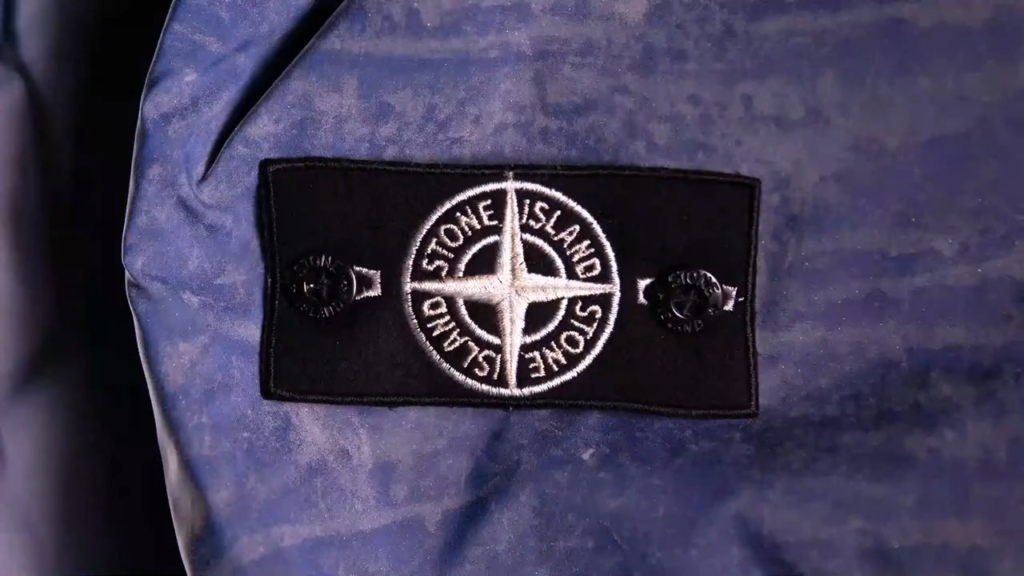
At the center of the brand is its iconic compass patch—a symbol that represents exploration, movement, and constant evolution. But what truly sets Stone Island apart is what happens behind the seams. The brand became known for pushing fabric technology to its limits, developing techniques like garment dyeing, heat-reactive materials, reflective outerwear, and engineered textiles that changed color depending on temperature and light. Every piece felt less like clothing and more like wearable innovation.
What makes Stone Island even more fascinating is how it moved beyond function and into culture. Originally admired for its technical design, the brand was embraced by football terrace culture in Europe before becoming a global staple in streetwear. Artists, athletes, and fashion enthusiasts began wearing Stone Island not just for its performance, but for what it represented—knowledge, exclusivity, and understated confidence.
Unlike louder fashion brands, Stone Island speaks quietly but carries undeniable influence. It doesn’t rely on trends. It creates a language of its own, where fabric tells the story and design becomes identity.
Today, Stone Island stands at the intersection of utility and luxury, proving that innovation can be just as powerful as aesthetics. In a fashion world often obsessed with appearance, Stone Island reminds us that what clothing is made of can matter just as much as how it looks.