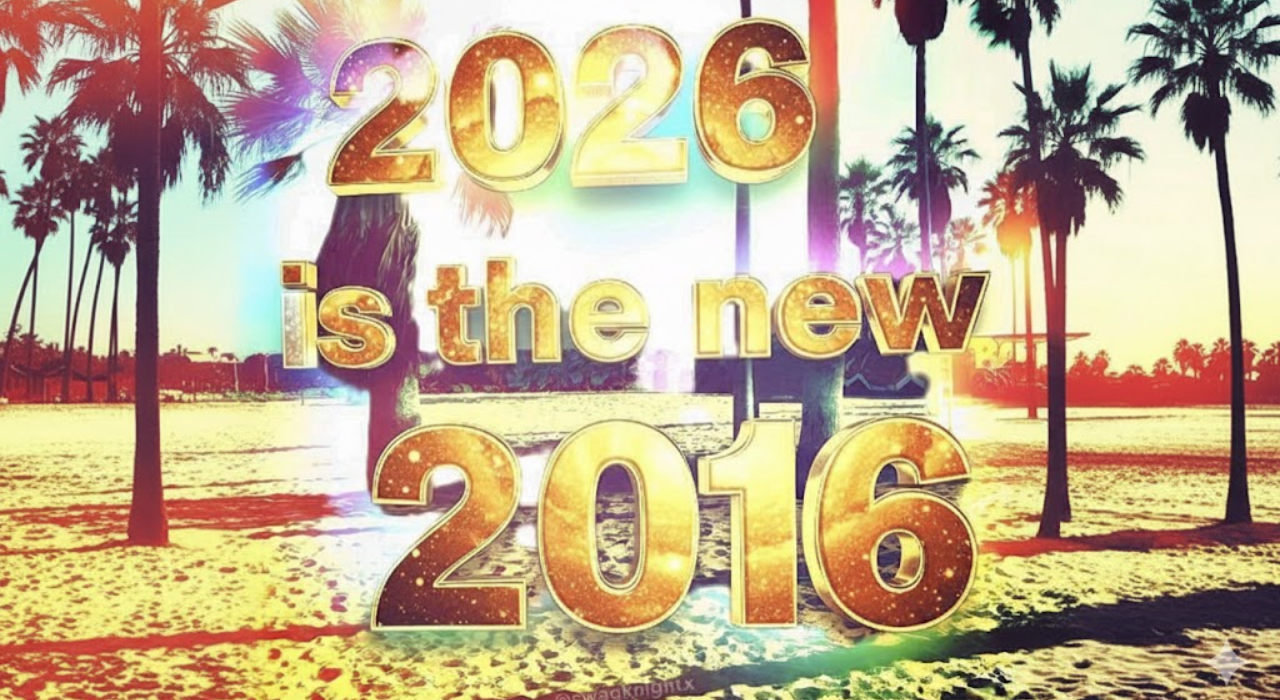
Right now on social media, especially TikTok and Instagram, you might have noticed something unusual. People are saying, “2026 is the new 2016.” Instead of focusing only on what is new, creators are revisiting a decade-old aesthetic and posting throwback images, filters, and trends from 2016. This is not just a hashtag. It is a cultural moment spreading across platforms. (Wikipedia)
At Meaning in the Making, we focus on the creative process behind design. This trend is a perfect example of how aesthetic choices and creative reasoning shape culture.
What the Trend Looks Like
The trend includes
- Old social media filters, such as bright Instagram filters, Snapchat effects, and hazy photo edits
- Throwback posts referencing viral 2016 moments like the Mannequin Challenge or Pokémon Go
- Vintage fashion and low-resolution visuals, reminiscent of early smartphone photography
It is a remix of visuals and formats that evoke a time when social content felt looser, more playful, and less polished.
Why This Trend Has Creative Meaning
This is not random nostalgia. There is design logic and emotional reasoning behind it.
1. Simpler, Human-Centered Aesthetic
In 2016, social feeds were full of informal snapshots and early meme culture. Those visuals had more personality, less performance pressure, and less algorithm-driven optimization. Revisiting these aesthetics allows creators to express a raw, human feel missing from today’s curated feeds.
2. Emotional Connection Through Design
Nostalgic visuals pull on emotion. People gravitate toward familiar, comforting designs, especially when social media feels fast-paced or overwhelming. For Gen Z, 2016 represents a lighter, shared internet culture, a time before AI-driven content and highly polished feeds.
Lessons for Creators and Brands
Aesthetic Cycles
Design moves in cycles. What is old can become new again when people crave a break from current trends.
Authenticity Over Perfection
This trend celebrates visuals that feel real and personal rather than polished. Emotion and personality often engage audiences more than perfection.
Cultural Memory as Creative Resource
Memories of style, filters, and memes are being repurposed to create something fresh yet familiar. Designers can leverage nostalgia creatively without copying the past exactly.
Final Take
The “2026 is the new 2016” trend shows that design is not just about how something looks. It is about why people feel connected to it. Creators and brands can learn from this movement. Thoughtful aesthetics, emotional resonance, and revisiting the past can inspire new ideas that engage audiences in meaningful ways.
 Jonathan Ramirez