When you see a red bag with a curved spectrum of colors, your brain immediately registers a specific experience. But the “Why” behind their design goes much deeper than just being colorful. At Meaning in the Making, we deconstruct how Skittles uses visual psychology to create a brand you can almost taste.
The Power of the “S”: Typography as a Signature
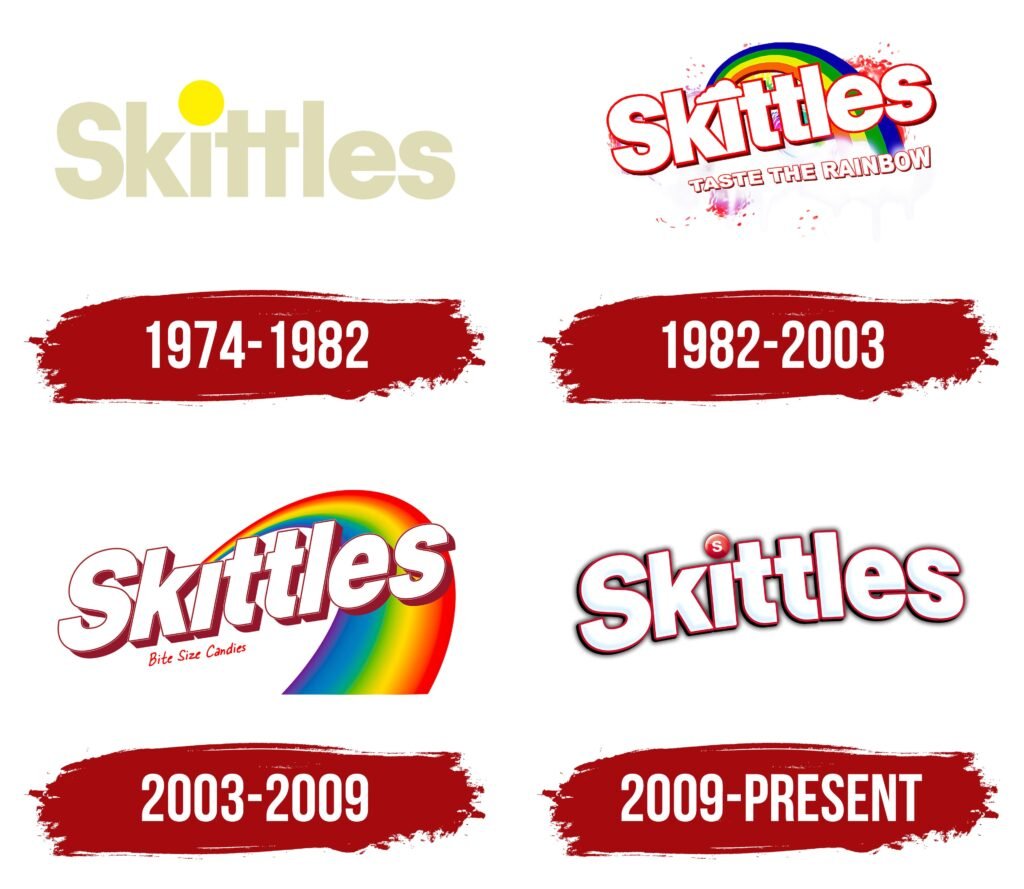
The Skittles logo is anchored by a bubbly, rounded typeface that feels approachable. However, the real genius is the lowercase “s” printed on every individual candy.
Why the “S” Matters
- Authenticity: That “s” is a mark of quality. It tells the consumer they are eating the original, not a generic imitation.
- Tactile Identity: The “s” isn’t just a label; it’s an integrated part of the candy’s identity. Much like the Beskar-inspired textures in the Mandalorian logo, this small detail makes the product feel “forged” and intentional.
Color Curation: Creating a Visual Index
Skittles doesn’t just use random colors; they use a specific high-saturation palette designed to trigger a physical “mouth-watering” response. This is a professional application of the 2026 Color Hunting trend—where every hue is curated to evoke a specific emotional reaction.
The Contrast Strategy
The bright, multi-colored lentils are always set against a deep, vibrant red background.
- The “Why”: Red is the color of appetite and urgency. By placing the “Rainbow” against a red canvas, the brand creates high-contrast visuals that pop on crowded store shelves.
The Shift to Minimalism
In recent years, Skittles has simplified its packaging, removing 3D effects for a flatter, “Neo-Minimalist” look.
- The Goal: This aligns with the larger movement toward Heritage Branding and authority. Skittles is now confident enough in its visual “Rainbow” that it no longer needs flashy effects to be recognized.
 Jonathan Ramirez